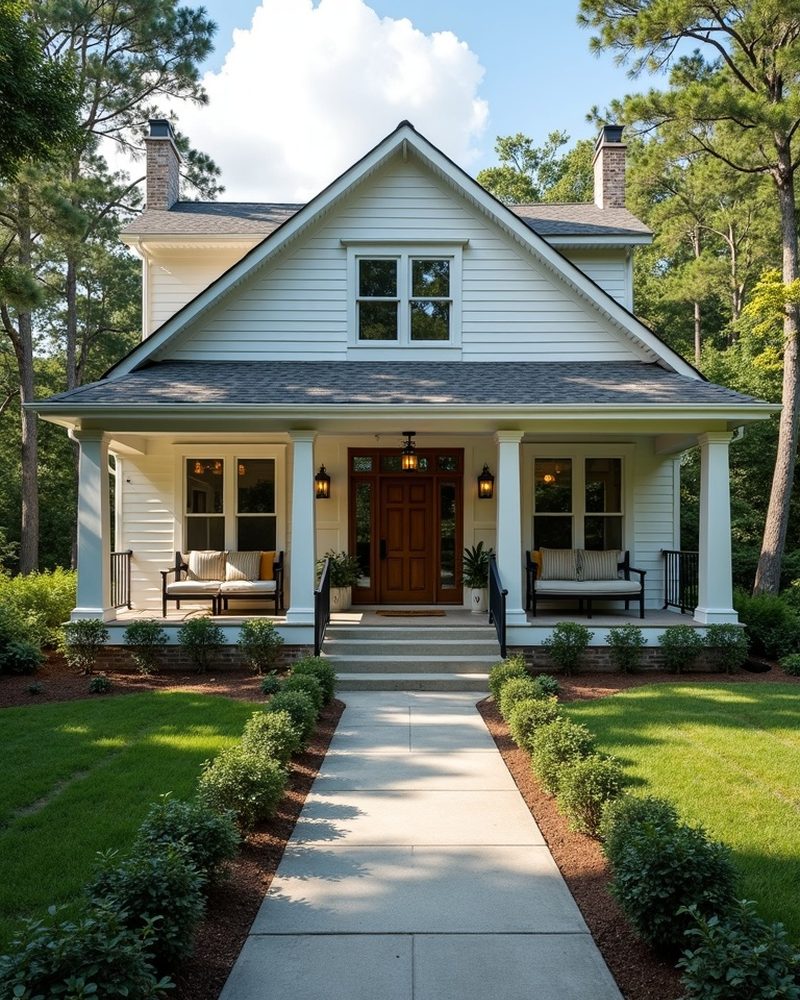
If you are buying or selling a home in Hall County GA, paying attention to neighborhood signals gives you an edge. Some signals are obvious to agents, but making them part of your regular checklist helps you make better offers, set the right list price, and choose the neighborhoods that will hold value over time. Below are 10 practical, locally focused signals to watch in Gainesville, Flowery Branch, Hoschton, Murrayville and surrounding areas of Hall County.
1. School boundary changes and new school projects
School assignments influence buyer demand more than many sellers realize. Monitor Hall County Schools announcements and local board meetings. A proposed new school or rezoning can push demand into neighborhoods overnight. Buyers who prioritize school stability can ask sellers for historical assignment info and plan inspections accordingly.
2. Road work parceling future commutes
Short-term construction can feel like a negative, but long-term road improvements improve commute times and access to retail hubs. Track county transportation plans and local DOT updates. When a new connector or interchange is confirmed, properties nearby typically become more desirable for commuters heading toward Atlanta or to Lake Lanier recreation areas.
3. New businesses and grocery anchors
A new grocery store, coffee shop, or medical office can quickly change neighborhood appeal. Note business permit filings and announcements from Chambers of Commerce in Gainesville and Flowery Branch. Sellers can highlight new commercial amenities in listings; buyers can use these announcements to justify offers in neighborhoods gaining conveniences.
4. Rental demand and short term rental patterns
Lake Lanier and Hall County's proximity to Atlanta create strong seasonal and year-round rental demand. Watch local short term rental listings, occupancy trends, and county code updates affecting vacation rentals. Higher rental demand can raise investor interest and affect comparable sales in specific pockets.
5. Building permits and new construction trends
An uptick in single-family permits or approved subdivision plans signals neighborhood expansion. Check municipal permit portals and developer announcements. New construction can mean rising property values in the long run, but it may also introduce temporary competition for sellers in the same price band.
6. Inventory shifts and price band pressure
Track active inventory and pending sales in your specific price band rather than countywide averages. If three similar homes in a neighborhood go under contract quickly, that indicates strong buyer appetite. Sellers should align pricing and presentation to that price band; buyers should be prepared to act quickly or consider adjusting expectations.
7. Days on market and showing traffic
Average days on market and showing feedback are immediate signals of pricing and condition alignment. Ask your agent for recent showing counts and feedback summaries from comparable listings. Small staging adjustments or a revised marketing plan can reduce days on market and attract higher offers.
8. HOA changes and community investments
HOA fee increases, new amenity plans, or community capital improvement projects change the value proposition. Buyers who need certainty should request recent HOA meeting minutes. Sellers can use upcoming amenity improvements as marketing points if the community has approved them.
9. Foreclosure and short sale concentrations
Clusters of distressed properties can temporarily suppress value in a micro-market. Use public records and MLS filters to see if foreclosures or bank-owned listings are concentrated near your target neighborhood. If so, negotiate accordingly as a buyer or focus on differentiation as a seller.
10. Lifestyle access points like lake rights trails and parks
In Hall County, proximity to Lake Lanier, public parks, walking trails,
